Keep up to date on open scholarly communication! Check out what’s new on the blog.



The 2025 cohort of the ASAPbio Fellows program includes participants from five continents, you can read more about them below.
Subscribe to the ASAPbio newsletter
Receive the latest news about ASAPbio, preprints, and open peer review twice per month. Your email will not be shared. Review our privacy policy.
2025 ASAPbio Fellows
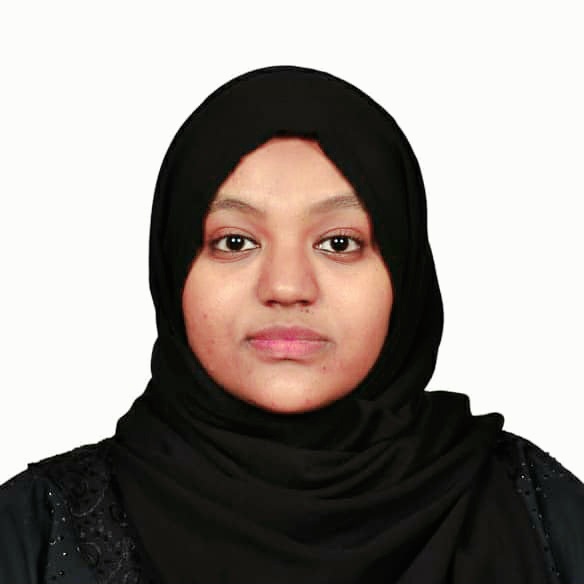
FatimaElzhra Ali
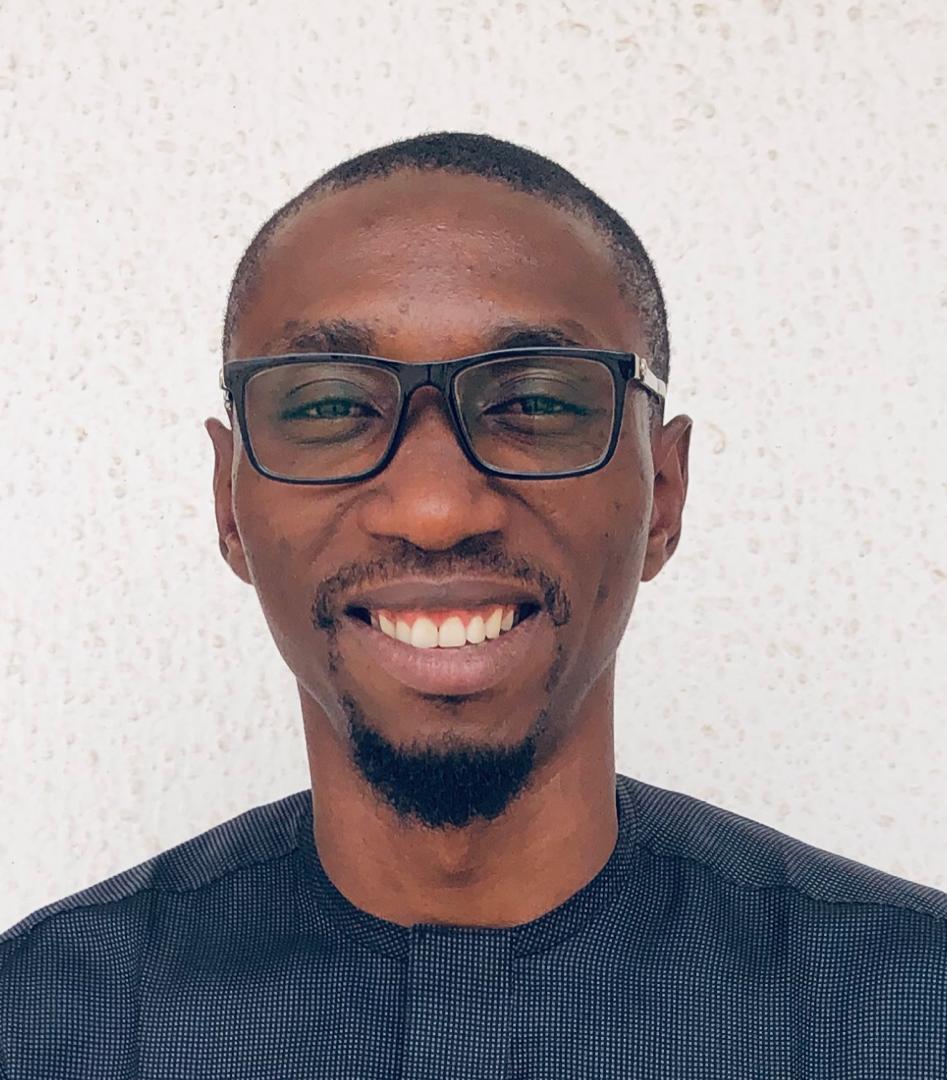
Prince Uba
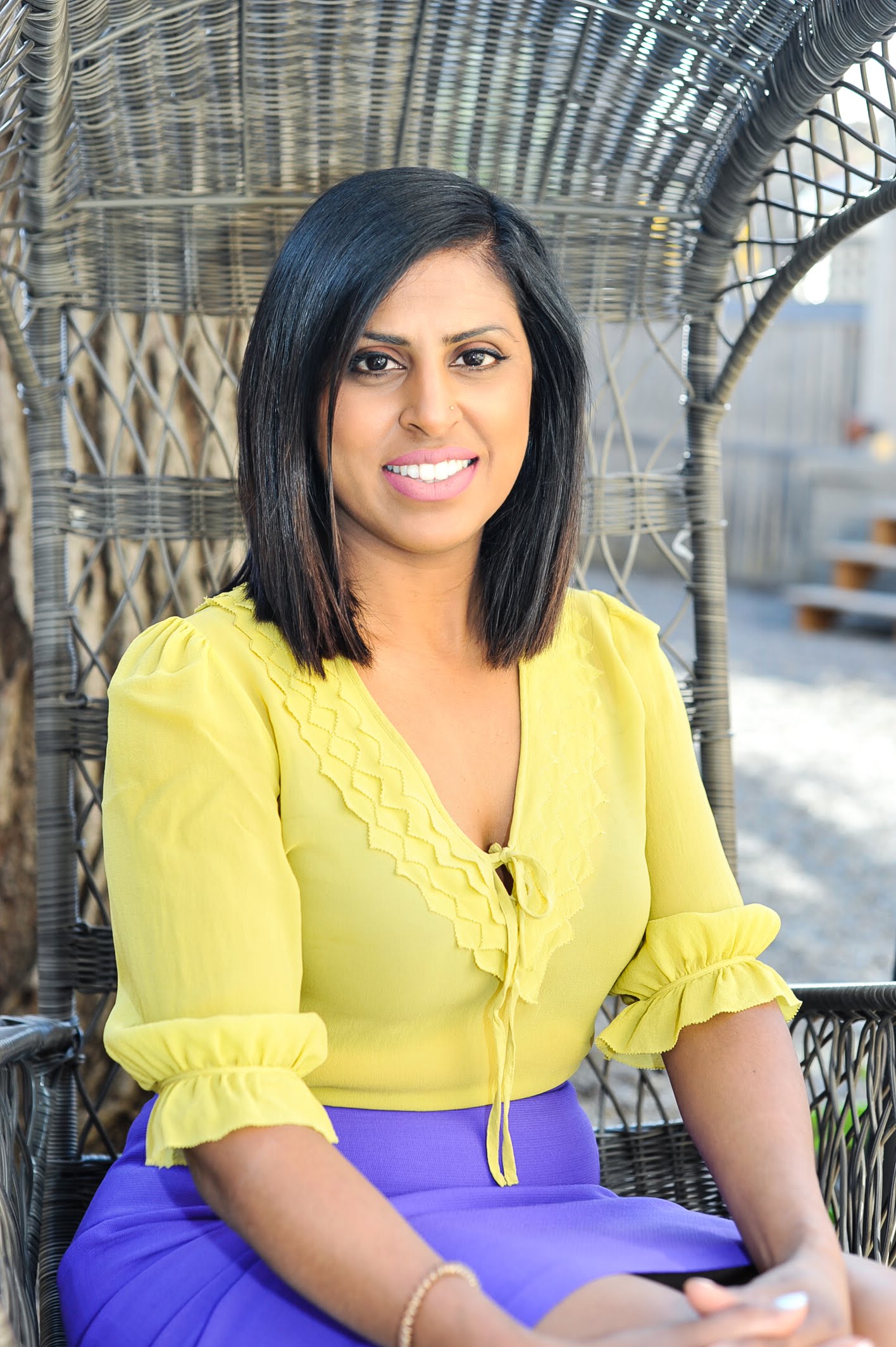
Larissa Shamseer
Akanksha Gupta
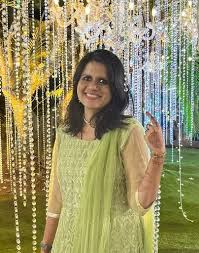
Pracheta Salunkhe
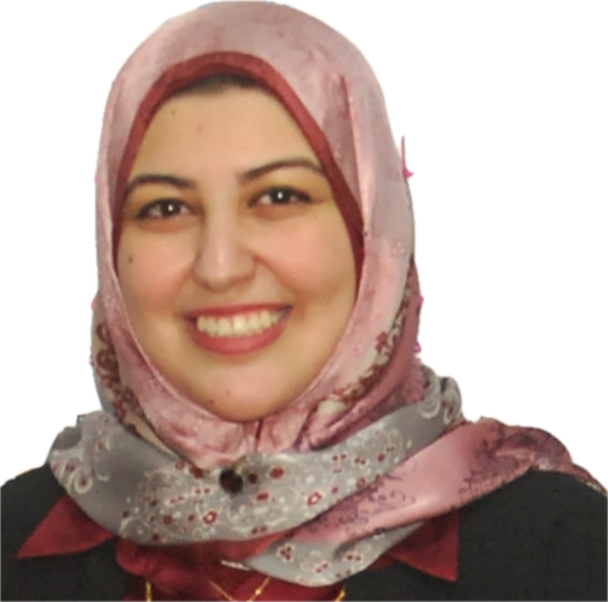
Sarah Salah
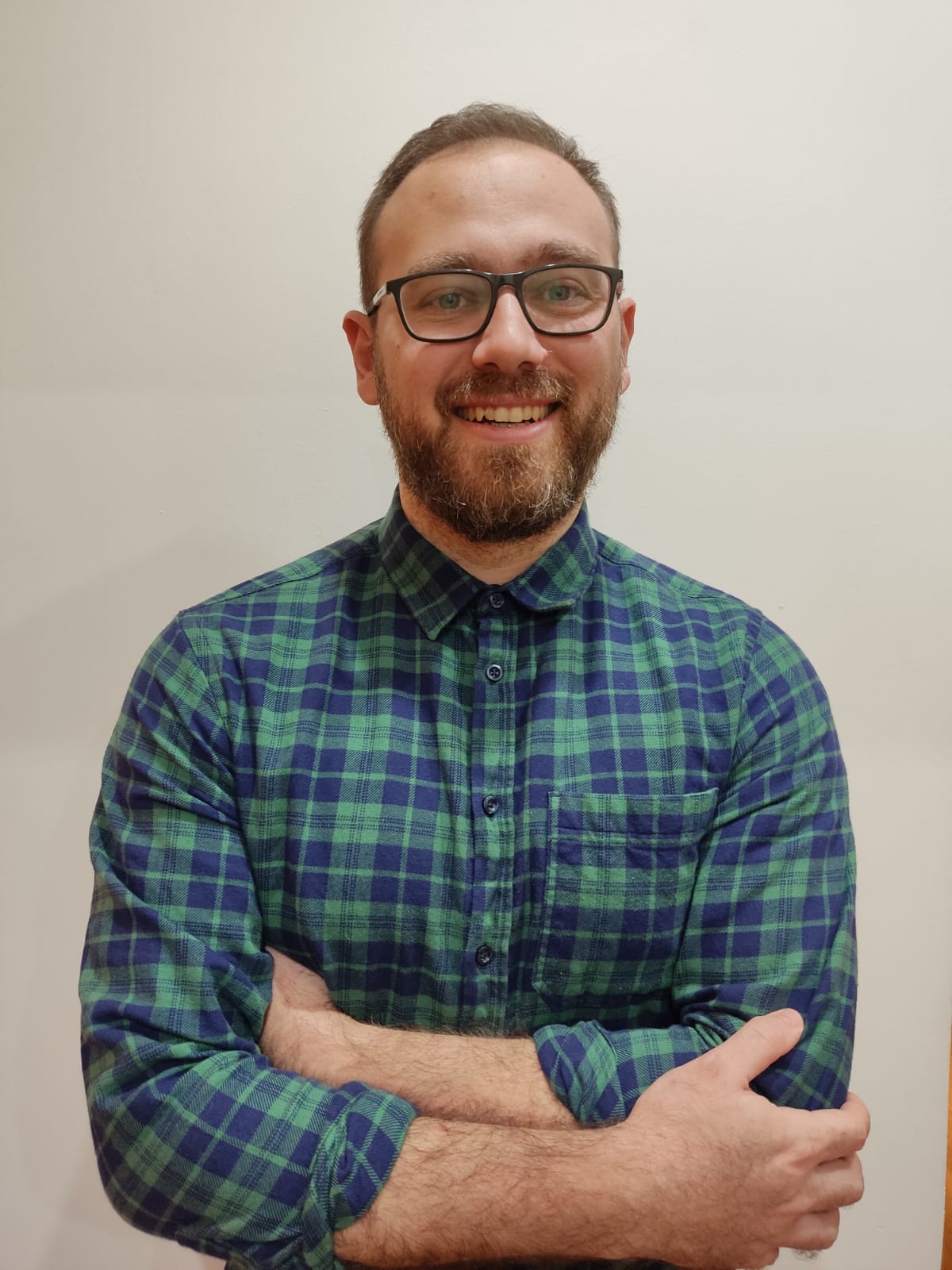
Fotis Mystakopoulos
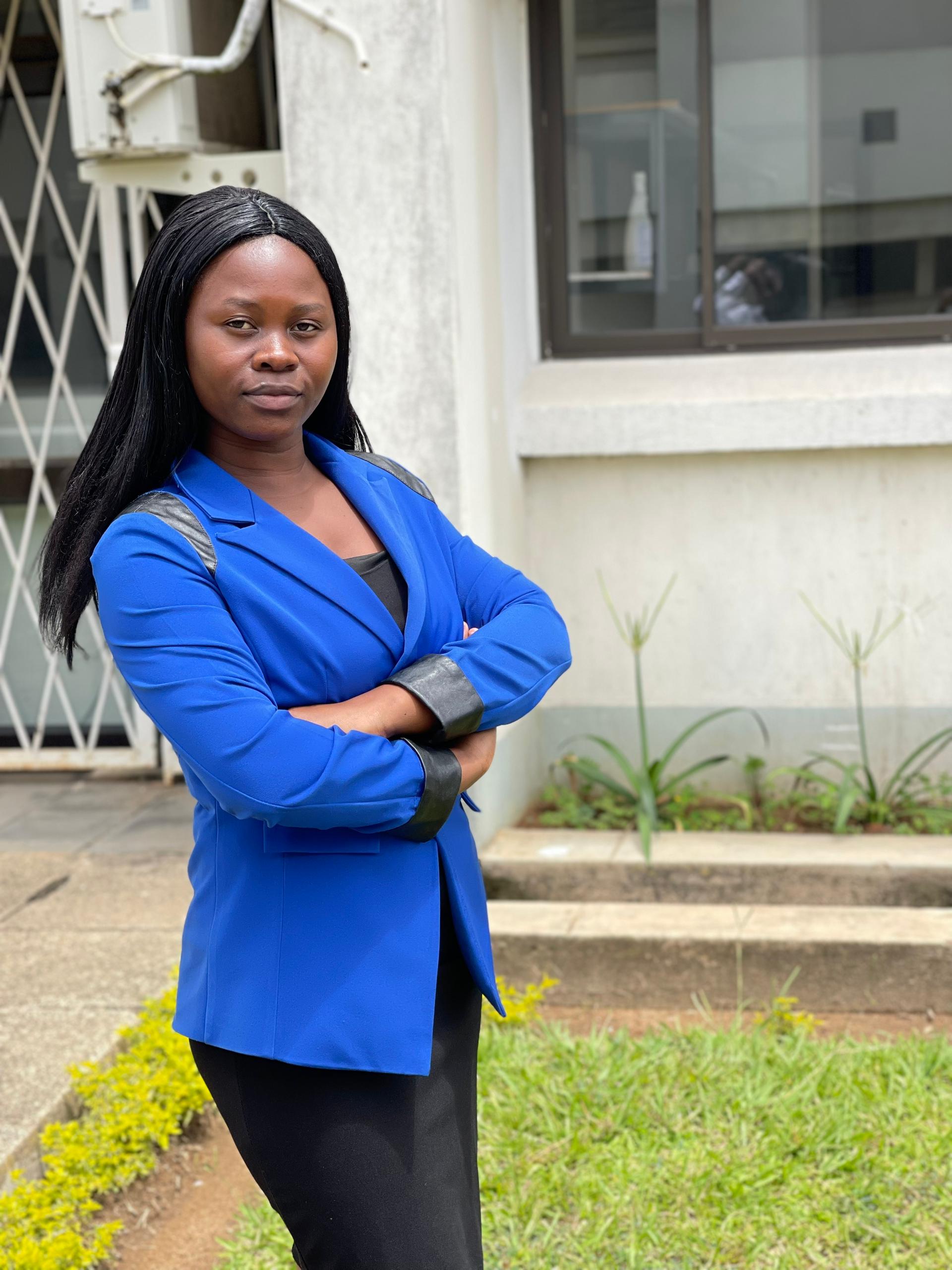
Glory Mwale
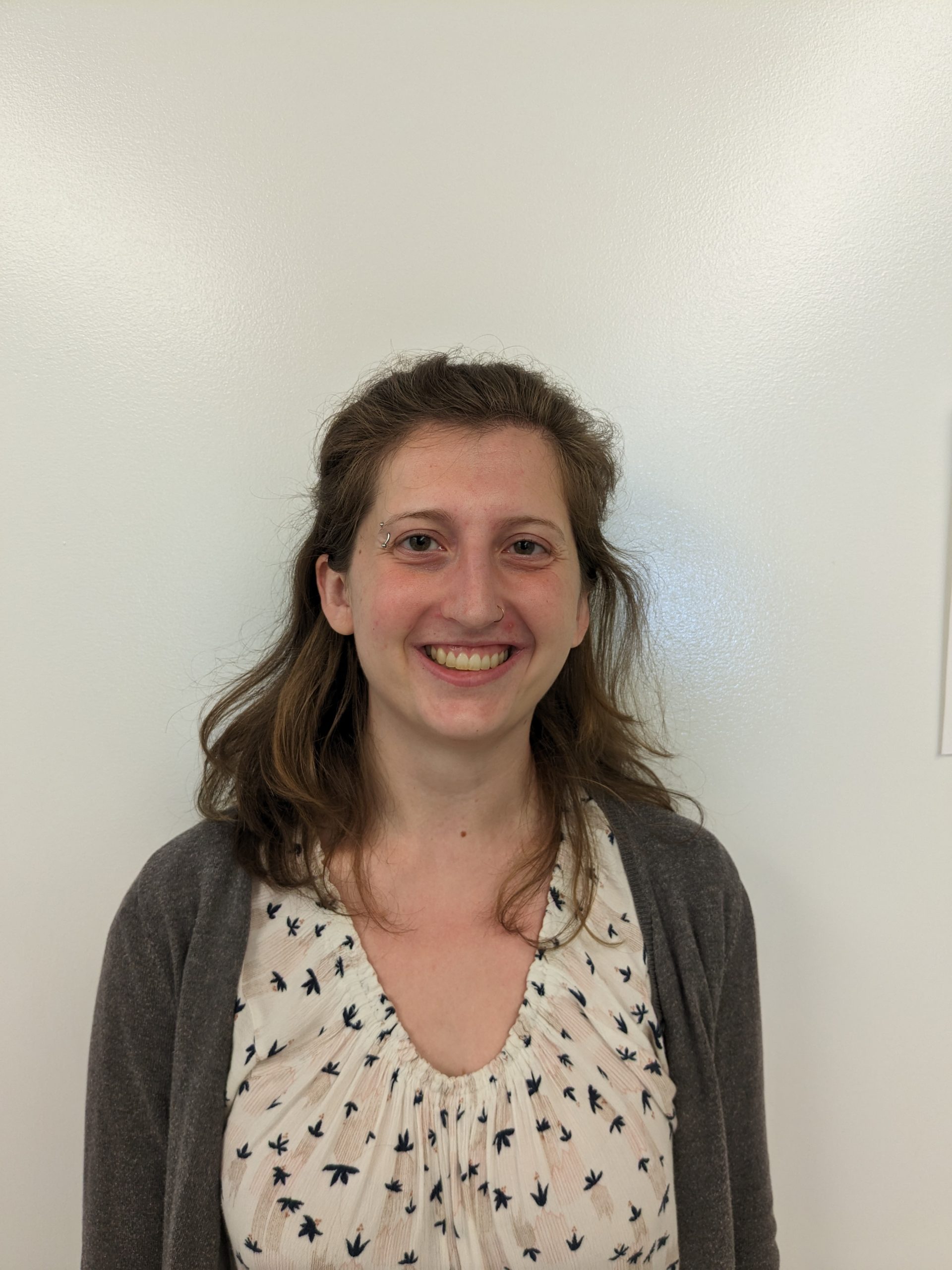
Madeline Morrisson
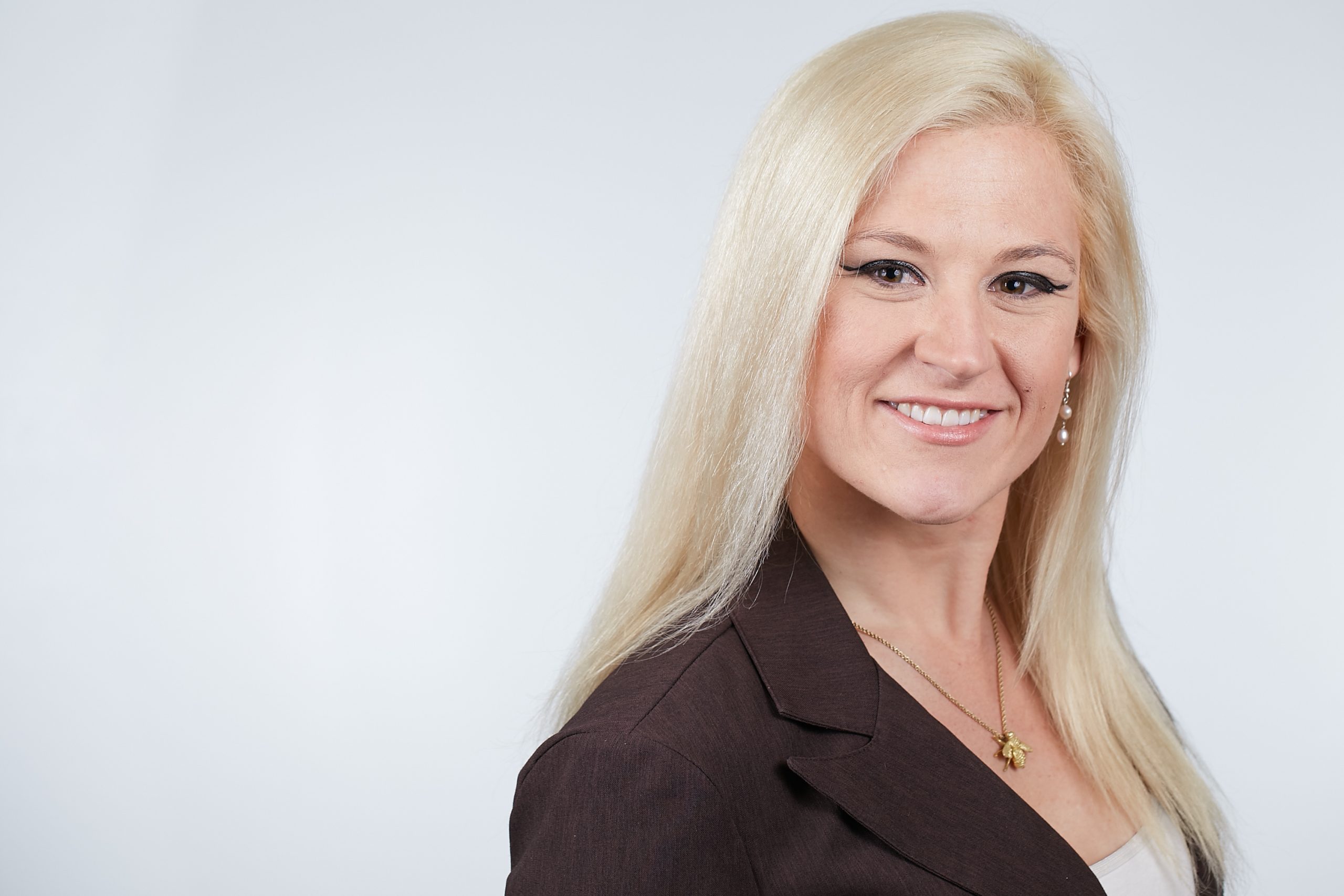
Anne Madden
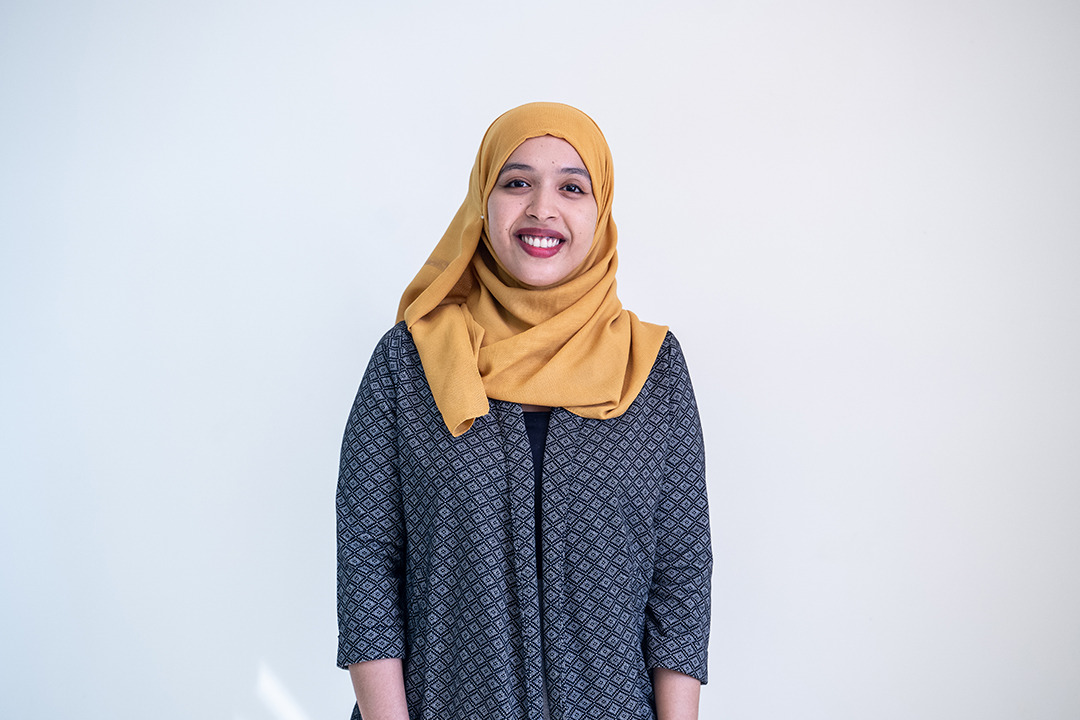
Sahar Mohamednour
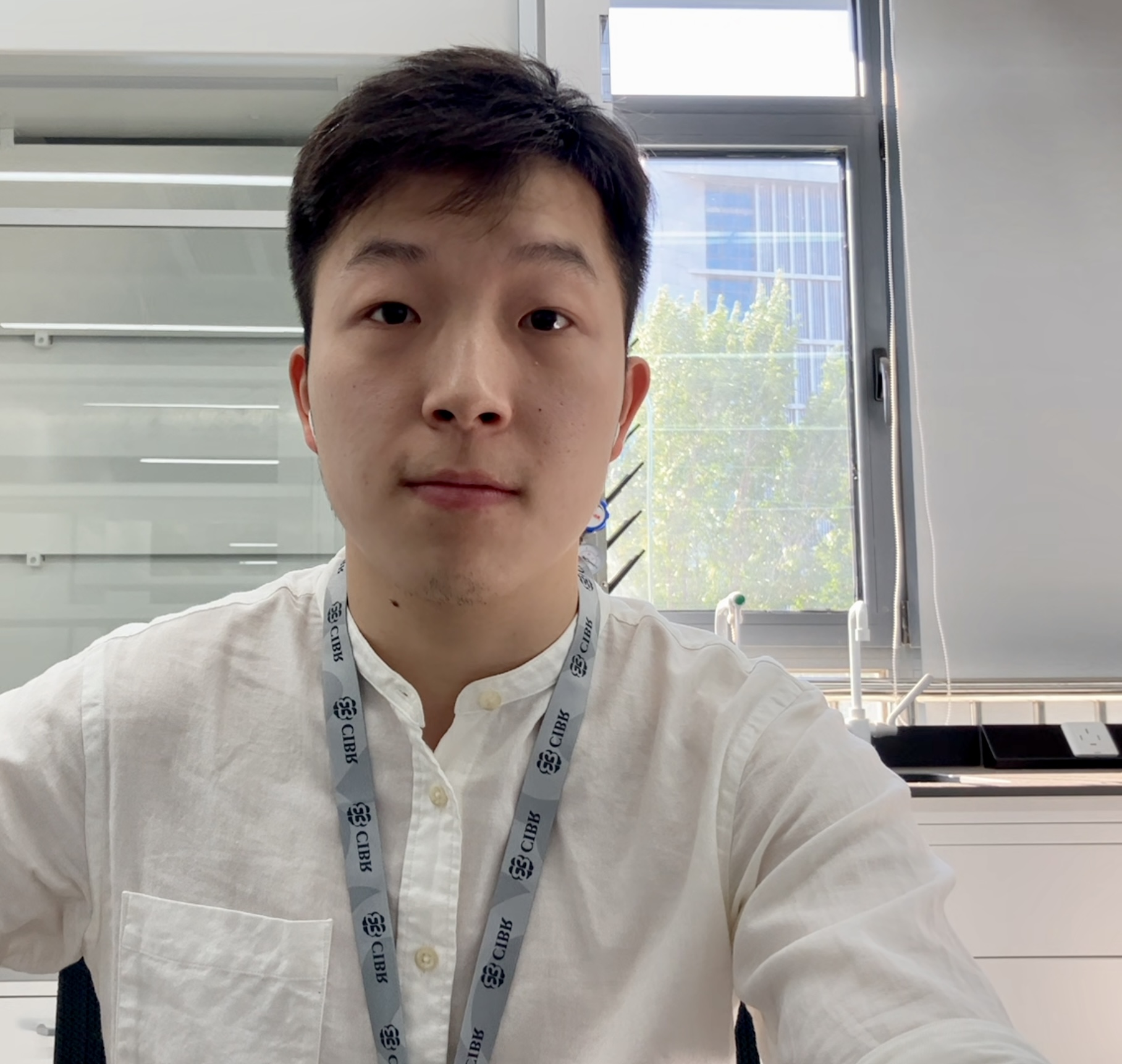
Jimeng Li
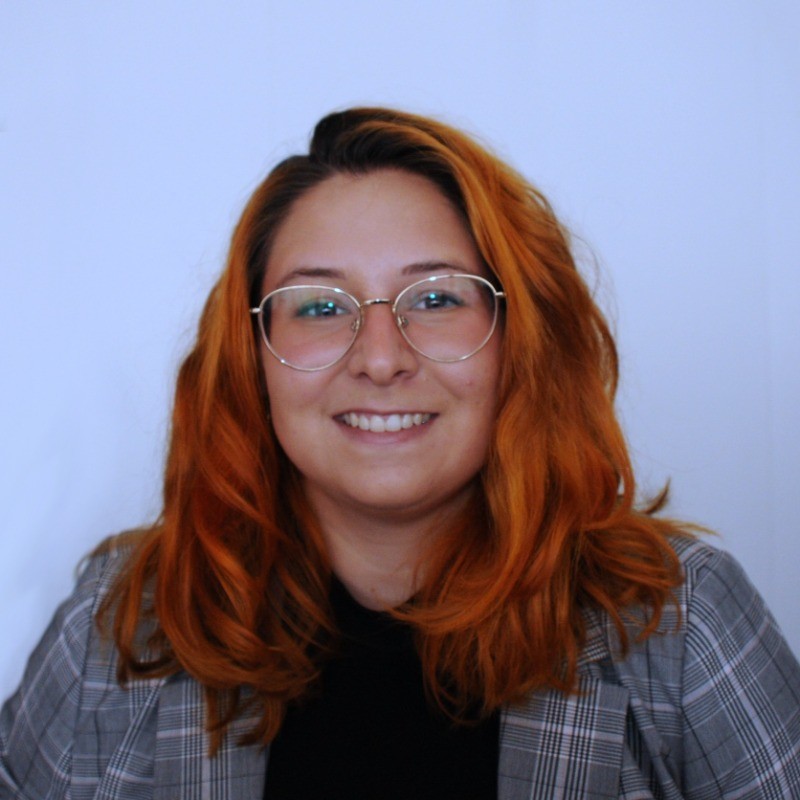
Colette Li
Clinton Ngabo
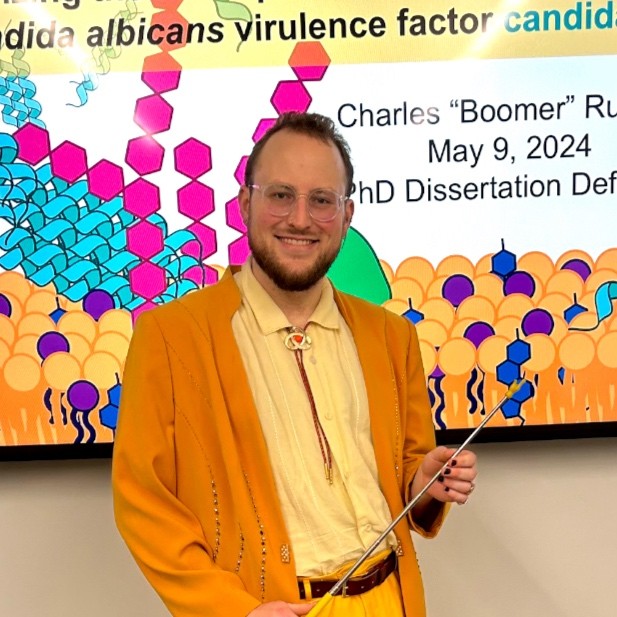
Boomer Russell
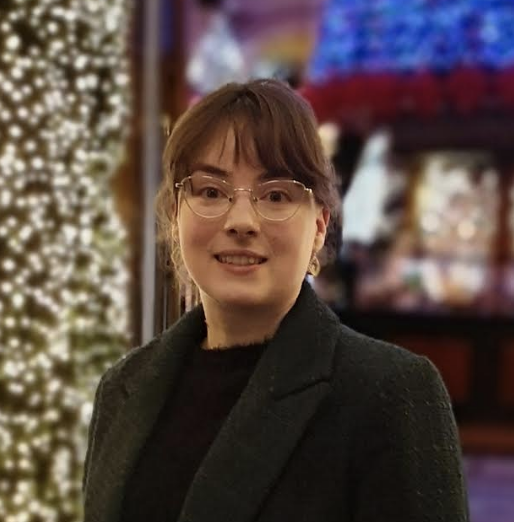
Emiliya Taskova
Serena Henderson
Felipe Del Valle Batalla
Francis Walugembe
Barbora Knotkova
Rachel Mtama
Evans Atoni
Barakat Mohazab
Omnya Mohamed Izzeldin
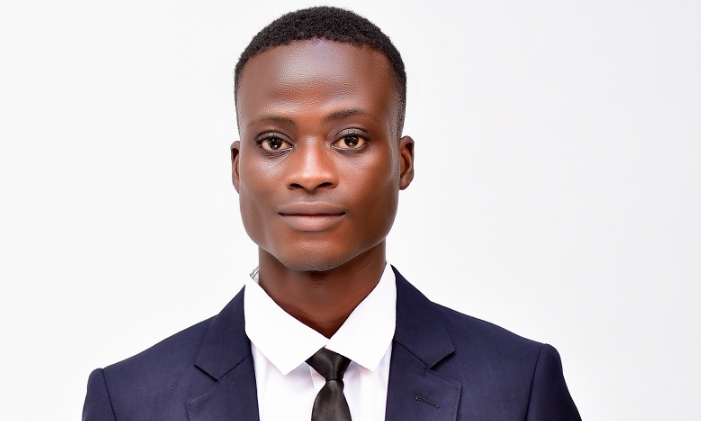
Tolulope Ogunniyi
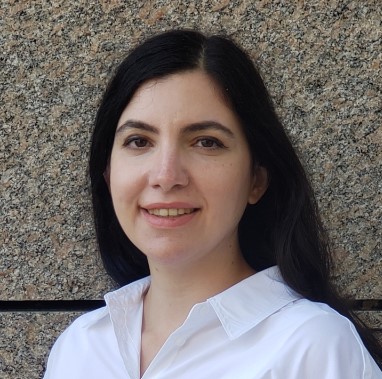
Peren Coskun
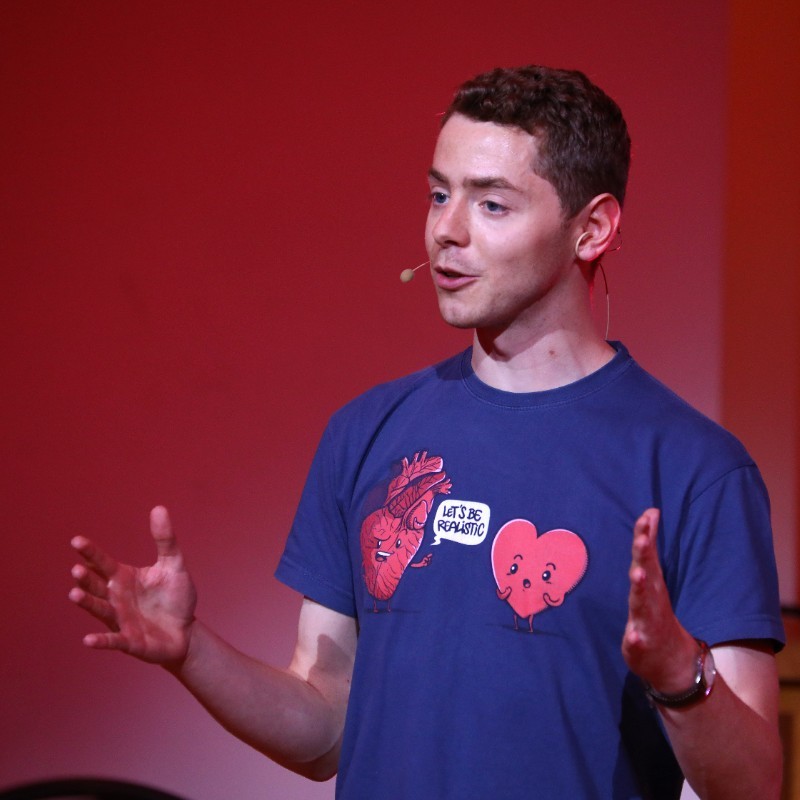
Benjamin Swedlund
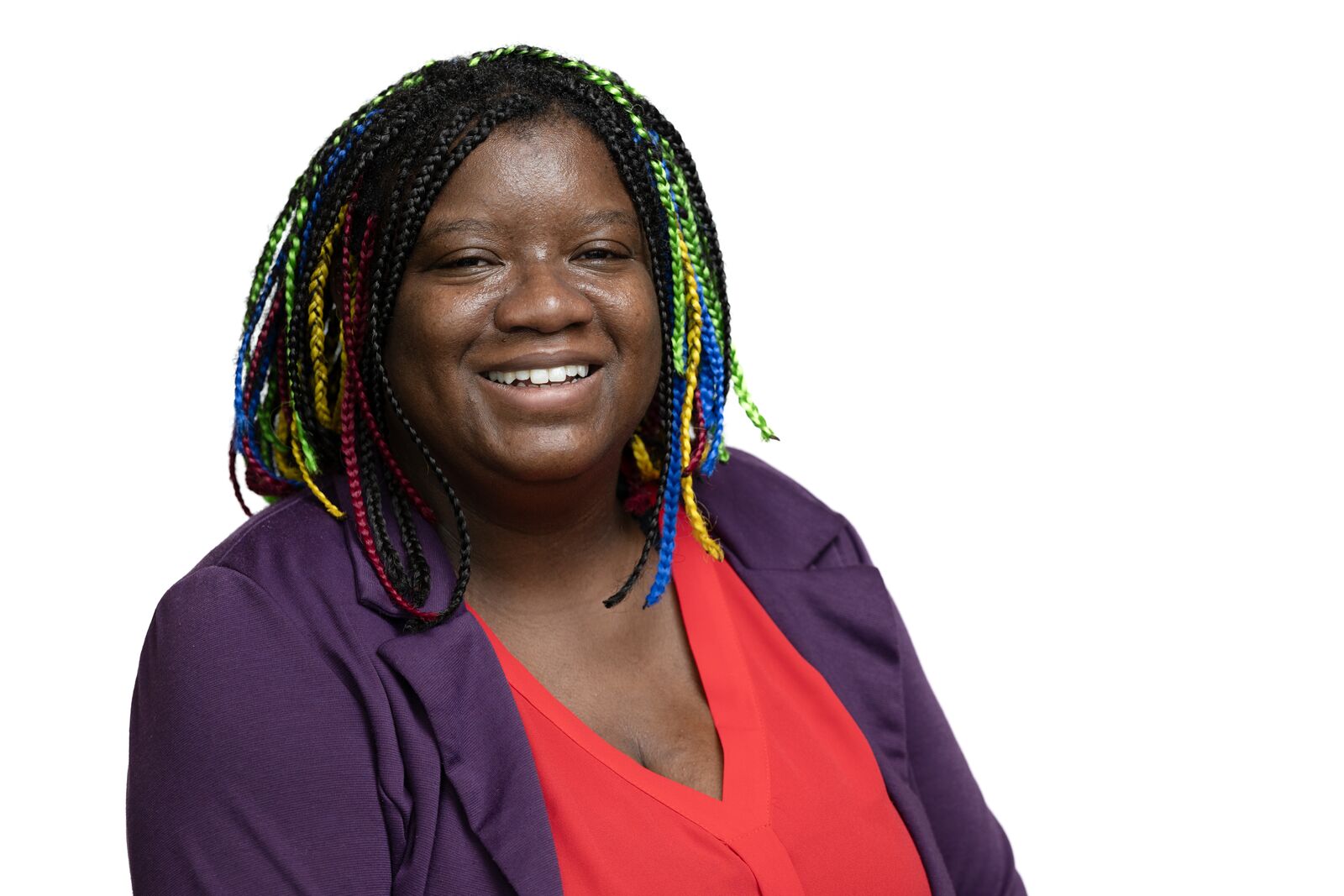
Kendra Parson
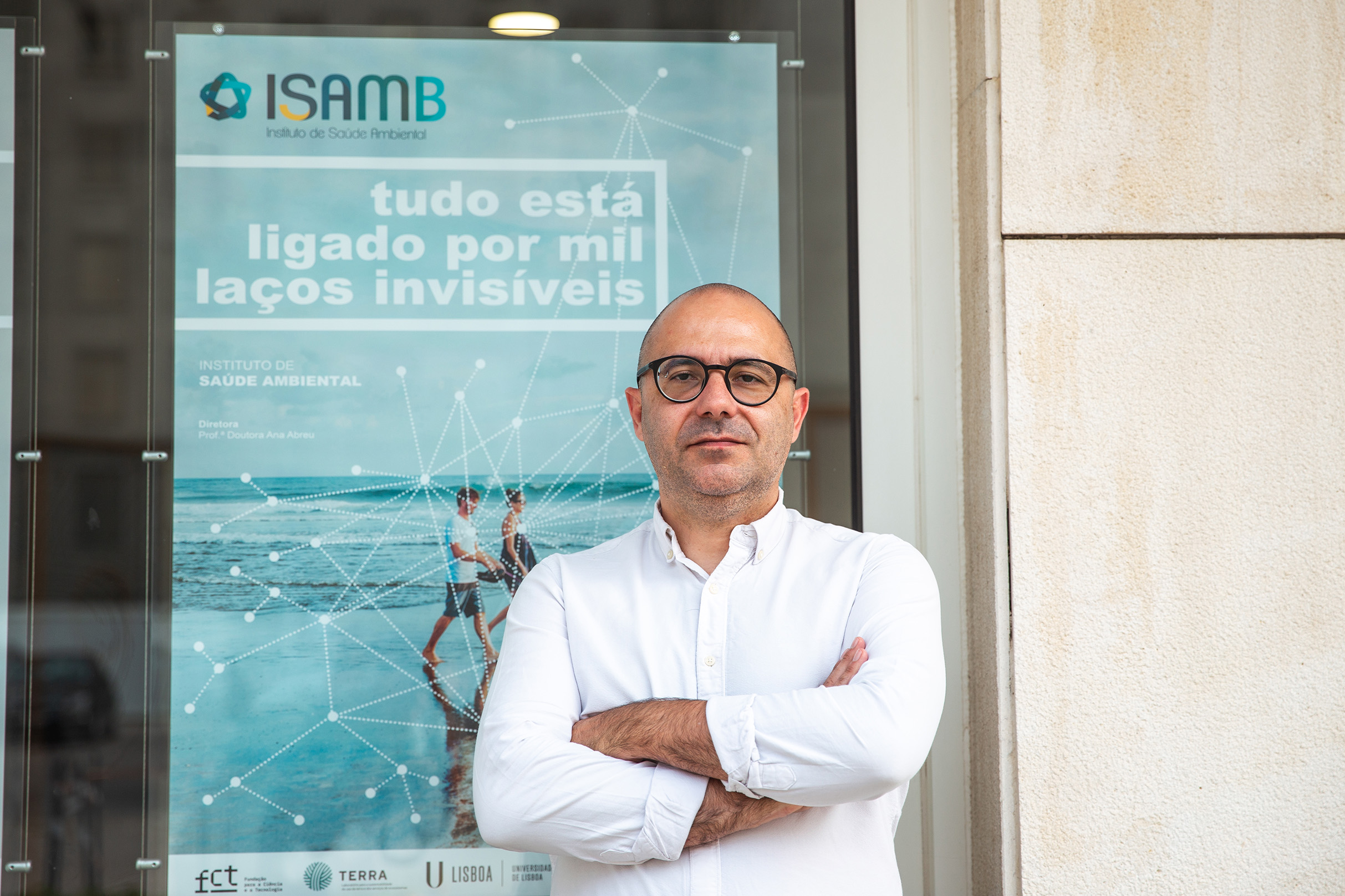
Ricardo Santos
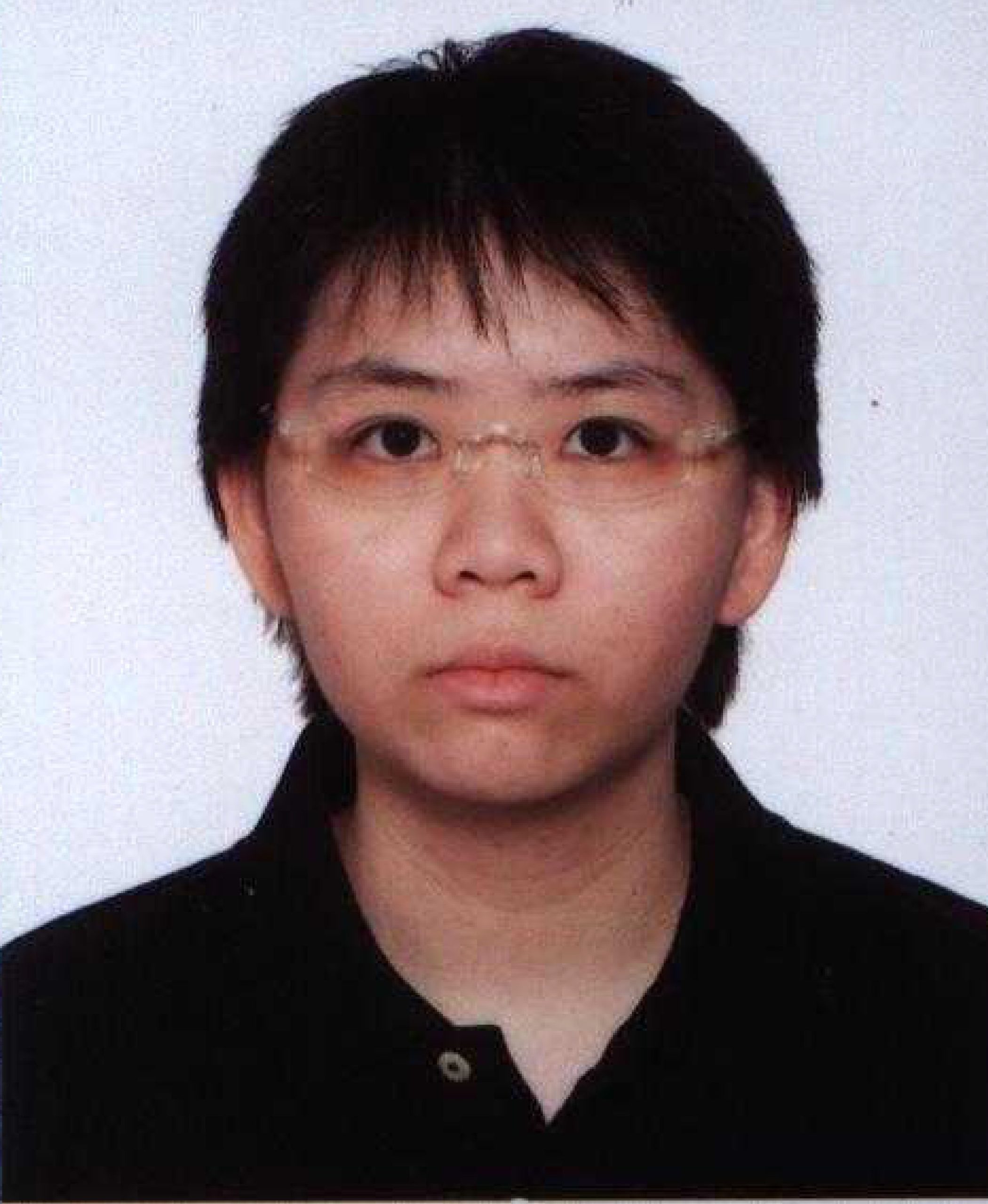
Ava Chan
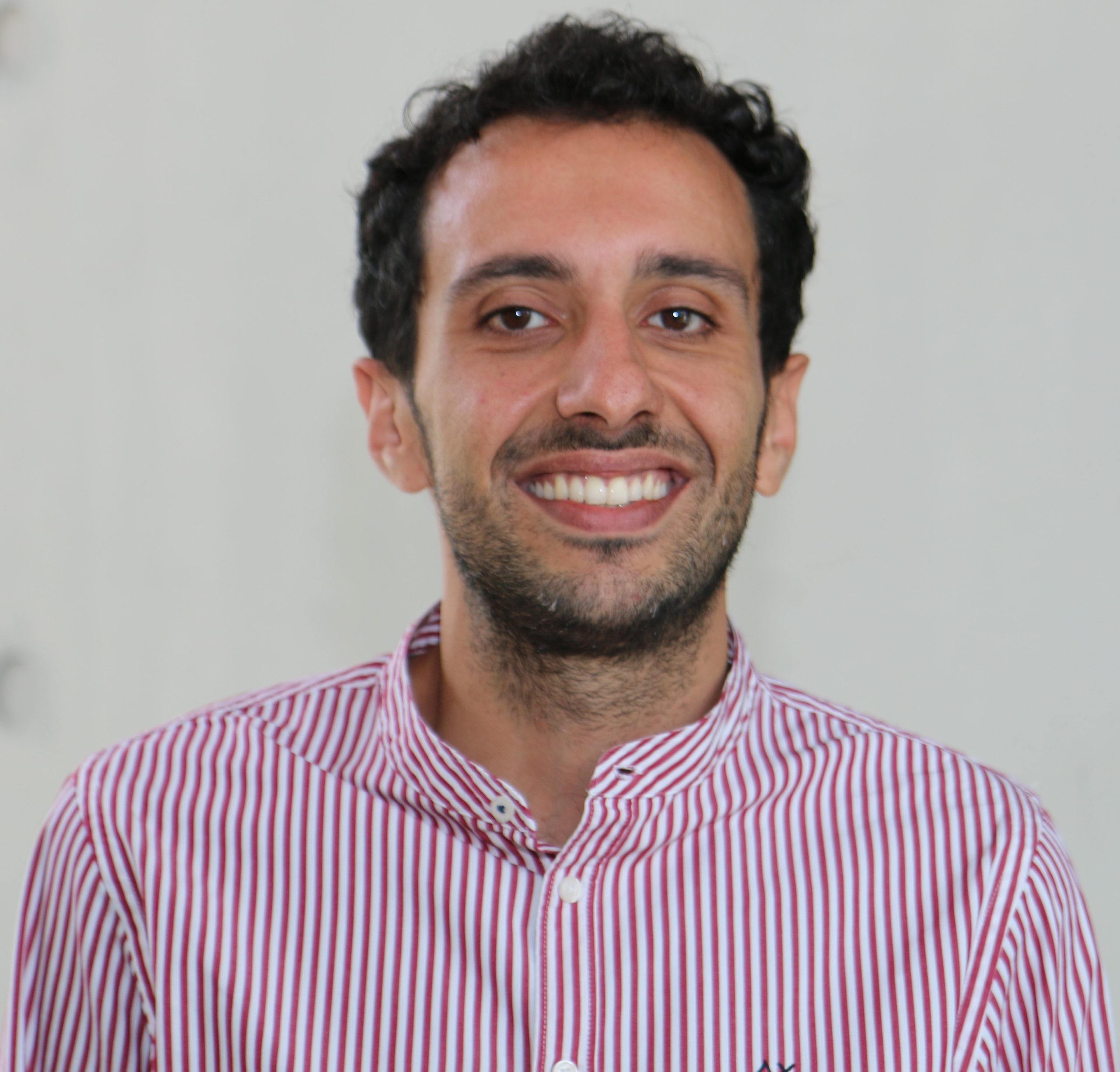
Domenico Azarnia Tehran
FatimaElzhra Ali
What is your current role? Tell us a bit about your research
I am a medical doctor, master student in anatomy, and peer reviewer with experience in emergency medicine, medical education ( teaching assistant in pathology), and clinical research. My research interests include infectious diseases, immunology, cardiology with ongoing projects. I have completed peer review training and actively contribute to the academic community by reviewing preprints.
What are you hoping to get out of the ASAPbio Fellows program?
enhance my skills in open science, and preprint evaluation. Also improve my ability to critically assess scientific work and contribute to transparent and accessible publishing.
Prince Uba
What is your current role? Tell us a bit about your research
I am a research assistant at the Nigerian Defence Academy, My research work is on the economic impact of brain drain in the healthcare sector in Nigeria. Nigeria, with a population exceeding 200 million, faces a severe shortage of healthcare workers due to poor working conditions, low wages, inadequate infrastructure, and lack of career growth opportunities. Many professionals relocate to countries like the UK, US, Canada, and Saudi Arabia, where they receive better remuneration, improved working environments, and professional development opportunities.
This migration has led to critical consequences, including reduced access to quality healthcare, increased patient-to-doctor ratios, and a decline in healthcare service delivery. The economic impact is substantial, as Nigeria invests heavily in training medical personnel but experiences a loss of human capital when they migrate. Additionally, the country incurs high costs in recruiting expatriate medical workers to fill the gaps.
What are you hoping to get out of the ASAPbio Fellows program?
I hope to learn, unlearn, and relearn in the open science research area. I also hope to contribute my ideas and experience.
Larissa Shamseer
What is your current role? Tell us a bit about your research
I am a 3rd yr postdoctoral researcher examining the role of medical preprints in fostering equity and integrity in health research communications. As a secondary aspect, I will examine the patterns of AI use in medical preprints and it’s impact on research uptake. I am using bibliometric, epidemiologic, and artificial intelligence approaches to conduct this work. For my PhD disseration (in Epidemiology), I characterised biomedical predatory journals and their content. Some of this work led to practice and policy changes and various organizations. I am also an evidence synthesis methodologist and have developed guidelines for reporting systematic review protocols which have become a part of standard practice, globally.
What are you hoping to get out of the ASAPbio Fellows program?
I am hoping to gain a better understanding of the preprint landscape to inform optimal methods and mobilization of my research into practice. I am hoping to connect with like-minded individuals as well as those in positions of leadership in this space in order to optimize the impact of my research.
Akanksha Gupta
What is your current role? Tell us a bit about your research
I am a neuroscience PhD student studying human attention, speech, and music processing using machine learning, computational modeling, psychophysics, and intracranial EEG data.
What are you hoping to get out of the ASAPbio Fellows program?
Through this fellowship, I aim to strengthen my science communication skills and advocate for a more open, fair, and equitable research ecosystem. I’m especially excited to collaborate with fellow researchers on projects that advance preprints and open science, driving meaningful change. The opportunity to learn from experienced leaders and collaborate with like-minded peers is something I greatly value.
Pracheta Salunkhe
What is your current role? Tell us a bit about your research.
I am a Ph.D. research scholar in Life Sciences at the University of Mumbai, specializing in plant biotechnology, plant biochemistry, metabolomics, nanobiotechnology, and bioanalytical science. I am also an Assistant Professor in the subject of Bioanalytical Sciences at SIES College, Mumbai where my expertise is in Analytical Chemistry and Molecular Biology and I have mentored students on projects for sustainability (WWF ECHO projects), and quality control of natural and marketed products.
What are you hoping to get out of the ASAPbio Fellows program?
I am interested in a career in academics and the education sector. By being a part of ASAPbio Fellow program I want to expand my network and learn from my peers around the globe. I also want to learn more about preprints which are not from my Life Sciences domain and make maximum use of the resources and support a ASAPbio fellow program would provide. I would strive to contribute positively and my commitment is to prove the value of my selection through my actions and involvement.
Sarah Salah
What is your current role? Tell us a bit about your research
I am a teaching assistant in medical biochemistry and molecular biology at Alexandria University, researching non-coding RNAs in inflammation-driven carcinogenesis. I also advocate for open science and reproducibility in biomedical research.
What are you hoping to get out of the ASAPbio Fellows program?
I hope to gain the skills and network needed to promote preprints and open science in the MENA region, especially among medical researchers and students.
Fotis Mystakopoulos
What is your current role? Tell us a bit about your research
I am a Project Policy Officer at OPERAS Research Infrastructure, where my work focuses on advancing Open Science, Responsible Research Assessment, and Diamond Open Access publishing. Alongside this role, I am pursuing a PhD that examines how academic libraries develop and how their services align with Open Science practices, with particular attention to the South-East European context.
What are you hoping to get out of the ASAPbio Fellows program?
I hope to deepen my understanding of the role and value of preprints within scholarly communication. While I already recognise their importance, I want to strengthen my knowledge with well-rounded arguments that will help me advocate for their use more effectively. I also look forward to expanding my professional network, connecting with fellows from diverse institutional backgrounds, and exploring opportunities to collaborate in promoting Open Science practices.
Glory Mwale
What is your current role? Tell us a bit about your research
I hold a Bachelor’s degree in Immunology from the Malawi University of Science and Technology(MUST). Currently, I am working as an intern at the Kamuzu University of Health Sciences- Pathology Laboratory, where I focus on leukemia diagnosis using flow cytometry and also help in other immunological assays. I have a keen interest in immunology and cancer biology.
What are you hoping to get out of the ASAPbio Fellows program?
I hope to learn more about preprints and open peer review, develop my leadership skills, and engage with a global network of researchers. I look forward to promoting open science in biological research, especially in immunology and cancer biology. With a background in immunology, I understand the importance of sharing scientific findings quickly and openly to advance discovery.
Madeline Morrisson
What is your current role? Tell us a bit about your research
I am a fifth year PhD Candidate at Dartmouth College, studying models of systemic sclerosis. Our work has a very translational focus, utilizing a combination of wet bench and computational techniques.
What are you hoping to get out of the ASAPbio Fellows program?
I am looking forward to connecting with others interested in preprints and the publishing industry. It will be very exciting to hear about the experiences of others both in and out of academia.
Anne Madden
What is your current role? Tell us a bit about your research
I’m an award-winning microbiologist, science communicator, and 5x TED/TEDx speaker. I founded and run The Microbe Institute, a distributed nonprofit based in the USA. Serving as “NASA for the microbial cosmos,” our vision is a world where everyone, regardless of background or age, can explore the microbial world, participate in discovering microbial technology for a better tomorrow, and find inspiration in the microscopic realm. We partner with diverse organizations to co-create, accelerate, and amplify the impact of participatory and interdisciplinary microbial research, art, and education projects.
What are you hoping to get out of the ASAPbio Fellows program?
I’m looking forward to learning more about preprints and guiding my institution to submit them. I’m also hoping to connect with a values-aligned community to support open science initiatives broadly.
Sahar Mohamednour
What is your current role? Tell us a bit about your research
I am a pharmacist with an interest in genomics and pharmacogenomics, focusing on how genetic variations influence drug responses to advance personalized medicine. As a recent graduate, I am passionate about research and advocating for open science practices especially in Africa.
What are you hoping to get out of the ASAPbio Fellows program?
Deeper understanding of preprints and how to effectively spread the concept of preprints especially among African researchers.
Jimeng Li
What is your current role? Tell us a bit about your research
I’m a PhD student from Université du Québec à Trois-Rivières. My research is mainly about identifying what factors preventing obesity in female and how to apply it on male.
What are you hoping to get out of the ASAPbio Fellows program?
I hope I can gain more knowledge on preprints details, and the changes happening in scientific publishing. Besides, I want to apply these knowledge on my service on preprint community.
Colette Li
What is your current role? Tell us a bit about your research
I am currently a science writer/analyst at Rose Li and Associates, which is a science consulting company, primarily for the U.S. government. I work on communications and scientific mangement for a variety of topics ranging from tick-borne disease, RBC alloantibodies, to the econonics of alzheimer’s disease. My graduate research focused on the role of macrophages in the tumor microenvironment and how they interact with nanomedicines.
What are you hoping to get out of the ASAPbio Fellows program?
I am hoping to gain a better understanding of the scientific review and publications process. Furthermore, I’m hoping to connect with other individuals interested in open science policy.
Clinton Ngabo
What is your current role? Tell us a bit about your research
I am a third-year biotechnology student at the University of Rwanda with a strong interest in open research and scientific communication. My research focuses on sustainable agriculture, particularly using Azolla algae as an alternative animal feed to address livestock feed shortages in Rwanda. Additionally, I am conducting a study on Gluconacetobacter diazotrophicus, a nitrogen-fixing bacterium, to evaluate its potential as a biofertilizer for improving soil fertility. Beyond research, I serve as the Academic Affairs Coordinator for the Rwanda Biotechnology Student Network (RBSN), where I organize academic events and promote knowledge-sharing among students, bridging the gap between theory and practical applications.
What are you hoping to get out of the ASAPbio Fellows program?
I hope to gain a deeper understanding of preprints and open research practices while building confidence in advocating for their adoption within my academic community. Through the program, I aim to connect with a global network of researchers, engage in outreach activities, and develop skills in science communication and research dissemination. Ultimately, I want to contribute to increasing awareness and accessibility of preprints, especially in underrepresented research communities like Rwanda.
Boomer Russell
What is your current role? Tell us a bit about your research
I defended my PhD in May and am currently on the job hunt. My PhD is in Biochemistry & Cellular and Molecular Biology from the University of Tennessee and my specific research area was membrane biophysics/biochemistry. I published a few first-author papers from my dissertation about candidalysin, a pathogenic peptide of fungal origin that physically damages mammalian cell membranes to prolong infection (it pokes holes in cells, which I think is neat). I am currently seeking out careers and opportunities in the realm of science communication with the eventual goal of using my graphic design and communication skills to help patients and people engage with scientific and medical information.
What are you hoping to get out of the ASAPbio Fellows program?
Because I decided to not pursue further opportunities in academic research I am incredibly motivated to network. I am learning more about what science communication can be and what kind of jobs you can find. I’m excited to hear about everyone’s perspectives and goals.
Emiliya Taskova
What is your current role? Tell us a bit about your research
I am a Biologist with a keen interest in the molecular processes inside living cells. I have enjoyed working with research teams working on meiosis, plant immunity, cancer cell division and assay development. During my PhD work, I studied the interactions of meiotic spindle proteins in fruit fly oocytes.
What are you hoping to get out of the ASAPbio Fellows program?
I’m hoping to learn more about preprints and develop an informed opinion on their role for the progression of scientific research. I am also excited to meet other keen and curious researchers as part of the program, have some great discussions with them and expand my horizons.
Serena Henderson
What is your current role? Tell us a bit about your research
I am the Managing Editor of The International Review of Research in Open and Distributed Learning (IRRODL), a leading open-access journal dedicated to advancing research in open, digital, and distance education. With over a decade of experience in educational technology, open education, and academic publishing, I focus on fostering global collaboration and supporting high-quality research dissemination. My research spans intergenerational trauma, open educational practices, policy development, social change, disruptive technology, digital storytelling, expressive therapy, and equitable access to knowledge. Through my work, I strive to bridge gaps in education and promote innovation in open learning.
What are you hoping to get out of the ASAPbio Fellows program?
I want to deepen my understanding of preprints and explore their potential applications for journals like IRRODL, particularly in the humanities and social sciences. Through the ASAPbio Fellows program, I hope to gain insights into the benefits and challenges of preprint adoption, as well as strategies for fostering open and rapid knowledge dissemination. This will help me assess how preprints might support equitable access and innovation in academic publishing.
Felipe Del Valle Batalla
What is your current role? Tell us a bit about your research
I am a Chilean PhD in Cell Biology. Currently finished a postdoc at NIH in Juan Bonifacino’s group. I’m interested in a wide range of topics in cell biology, but lately I’m focused in neurobiology aiming at understanding the role of local translation of proteins in neurons.
What are you hoping to get out of the ASAPbio Fellows program?
I hope that ASAPbio Fellows program help me to develop new tools to share science and encourage a critical view of current science discussion platforms.
Francis Walugembe
What is your current role? Tell us a bit about your research
Francis Walugembe is a research assistant and PhD candidate in Public Health at Walailak University, Thailand. His current research focuses on road safety among school-going teenagers, with a particular emphasis on those who use motorcycles. He aims to explore the risks and challenges faced by young riders and contribute to improving road safety measures for this demographic.
What are you hoping to get out of the ASAPbio Fellows program?
As a PhD candidate with a keen interest in public health research, I hope to gain valuable insights and skills from the ASAPbio Fellows program that will help me effectively communicate my research and its impact. I am particularly interested in learning more about the open science movement, including how to make research more accessible and transparent, and how to engage with the broader scientific community. Additionally, I hope to expand my network by connecting with fellow researchers, mentors, and experts in the field, which will enable me to collaborate on projects that enhance public health, particularly road safety for teenagers in my area of study.
Barbora Knotkova
What is your current role? Tell us a bit about your research
I am a first-year postdoctoral researcher in the group of Michael Meinecke at the biochemistry centre of Heidelberg University, Germany. In my research, I am interested in basic principles of membrane morphology inside the cell. Specifically, I am trying to understand the inner mitochondrial membrane, one of the most intricately shaped membranes of the cell, is deformed on a molecular level. To do this, I use biochemical reconstitution methods.
What are you hoping to get out of the ASAPbio Fellows program?
I am hoping to firstly learn more about open science topics and to be able to take part in a creative project. Perhaps more importantly, however, I would like to develop more confidence in publicly advocating for open science and being comfortable in taking on a leadership role.
Rachel Mtama
What is your current role? Tell us a bit about your research
I am a research officer at the Ifakara Health Institute, working on a project which develops genetically modified mosquitoes for malaria vector control My work focuses on molecular biology analysis of genetic materials, biotechnology in malaria control, and public health advocacy, using articles and social media to raise awareness and promote informed discussions.
What are you hoping to get out of the ASAPbio Fellows program?
I hope to deepen my understanding of open science and its importance while gaining the skills to produce a manuscript suitable for publication in open archives. Additionally, I aim to advocate for open science, raising awareness and encouraging greater recognition within scientific communities in my home country.
Evans Atoni
Barakat Mohazab
Omnya Mohamed Izzeldin
What is your current role? Tell us a bit about your research
I am a bioinformatics researcher and bioengineer specializing in multi-omics analysis, drug discovery, and computational biology. Currently, I am working at Indian Institute of Technology and a Student Researcher at the European Association for Cancer Research, focusing on biomarker discovery, transcriptomics analysis, and molecular docking for drug repurposing. My research includes developing novel therapeutic strategies for oncology and inflammatory diseases, as well as point-of-care diagnostic tools using microfluidic paper-based technology. Additionally, I have experience in pharmaceutical marketing and data-driven research communication, bridging the gap between science and industry.
What are you hoping to get out of the ASAPbio Fellows program?
I hope to gain a deeper understanding of open science, preprint publishing, and collaborative research practices through the ASAPbio Fellows program. This opportunity will allow me to engage with a global network of researchers, develop skills in science communication and advocacy, and contribute to initiatives that enhance transparency and accessibility in biological research. I am particularly excited to explore how preprints can accelerate discoveries in bioinformatics, drug discovery, and multi-omics research.
Tolulope Ogunniyi
Peren Coskun
What is your current role? Tell us a bit about your research
I am a postdoctoral associate at UMass Chan Medical School, specializing in genetics research. My work focuses on post-transcriptional regulation of glp-1 mRNA in the germline, with broader interests in RNA biology and CRISPR. Beyond my research, I am actively involved in mentorship and science communication.
What are you hoping to get out of the ASAPbio Fellows program?
I hope to deepen my understanding of preprints and open science while developing effective strategies to advocate for their adoption within the life sciences community. Through the ASAPbio Fellows program, I aim to enhance my science communication and leadership skills, engage in impactful projects, and collaborate with like-minded researchers.
Benjamin Swedlund
Kendra Parson
What is your current role? Tell us a bit about your research
As a Research Librarian at Pacific Northwest National Laboratory, I manage the library’s collections by selecting materials, overseeing collection development funds, and optimizing workflows. I am the lead for the Open Access initiative I started in 2022 to implement Read & Publish agreements across DOE labs. As the library liaison to the Energy & Environment Directorate, I support researchers by retrieving and analyzing literature, assisting with information management, and providing reference services on a wide range of scientific topics. My role ensures that researchers have seamless access to critical resources while advancing Open Access efforts.
What are you hoping to get out of the ASAPbio Fellows program?
I hope to gain a deeper understanding of preprints and their role in accelerating open and transparent research communication. Through the ASAPbio Fellows program, I want to connect with a network of like-minded advocates, learn best practices for preprint outreach, and explore emerging models of preprint review. This experience will help me better support researchers at my institution and contribute to broader initiatives that promote open science.
Ricardo Santos
What is your current role? Tell us a bit about your research
I’m a biologist and currently I’m a researcher at the Institute of Environmental Health (ISAMB) and a lecturer at the Lisbon School of Medicine, University of Lisbon. I’m also the head of the ISAMB’s Unit for Research Ethics and Integrity. My interests of research and study include ethics and bioethics, research integrity, science communication, climate change and health, medical humanities, art and science, one health, and planetary health.
What are you hoping to get out of the ASAPbio Fellows program?
In this program, I aim to get more in-depth knowledge about preprints and join a network that allows us to optimize resources, share ideas and experiences, and foster a continuous and collective reflection on science and scientific publishing.
Ava Chan
What is your current role? Tell us a bit about your research.
I am a final year DPhil student studying mechanisms of regeneration in planarians using functional genomics and bioinformatics approaches.
What are you hoping to get out of the ASAPbio Fellows program?
I would like to learn more about preprints and how they could promote open science.
Domenico Azarnia Tehran
What is your current role? Tell us a bit about your research.
I am an Assistant Professor at the University of Padua, where I investigate the molecular and cellular mechanisms underlying brain aging. My research focuses on neuron-astrocyte crosstalk, employing human-derived cellular models to dissect the processes that drive synaptic function and neurodegeneration. Previously, I worked as a postdoctoral researcher at the FMP in Berlin, where I studied synaptic vesicle recycling and glutamate receptors trafficking. My work integrates advanced imaging, biochemistry, and proteomics to uncover fundamental aspects of neuronal physiology and pathology.
What are you hoping to get out of the ASAPbio Fellows program?
Through the ASAPbio Fellows program, I aim to deepen my understanding of open science practices and actively contribute to discussions on preprints, peer review, and research transparency. I am particularly interested in learning strategies to integrate preprints into my daily work at the university, from using them for early feedback in publishing to incorporating them into journal clubs and student mentoring. By participating in the program, I hope to develop practical approaches for including preprints into academic workflows and advocate for their broader adoption within my institution.